Home › Asphalt Milling
Ocean & Monmouth County, NJ
AsphaltMilling
Grinding the old surface off instead of burying it under a new one — so your grade stays where it belongs and your drainage keeps working.
Grinding the old surface off instead of burying it under a new one — so your grade stays where it belongs and your drainage keeps working.
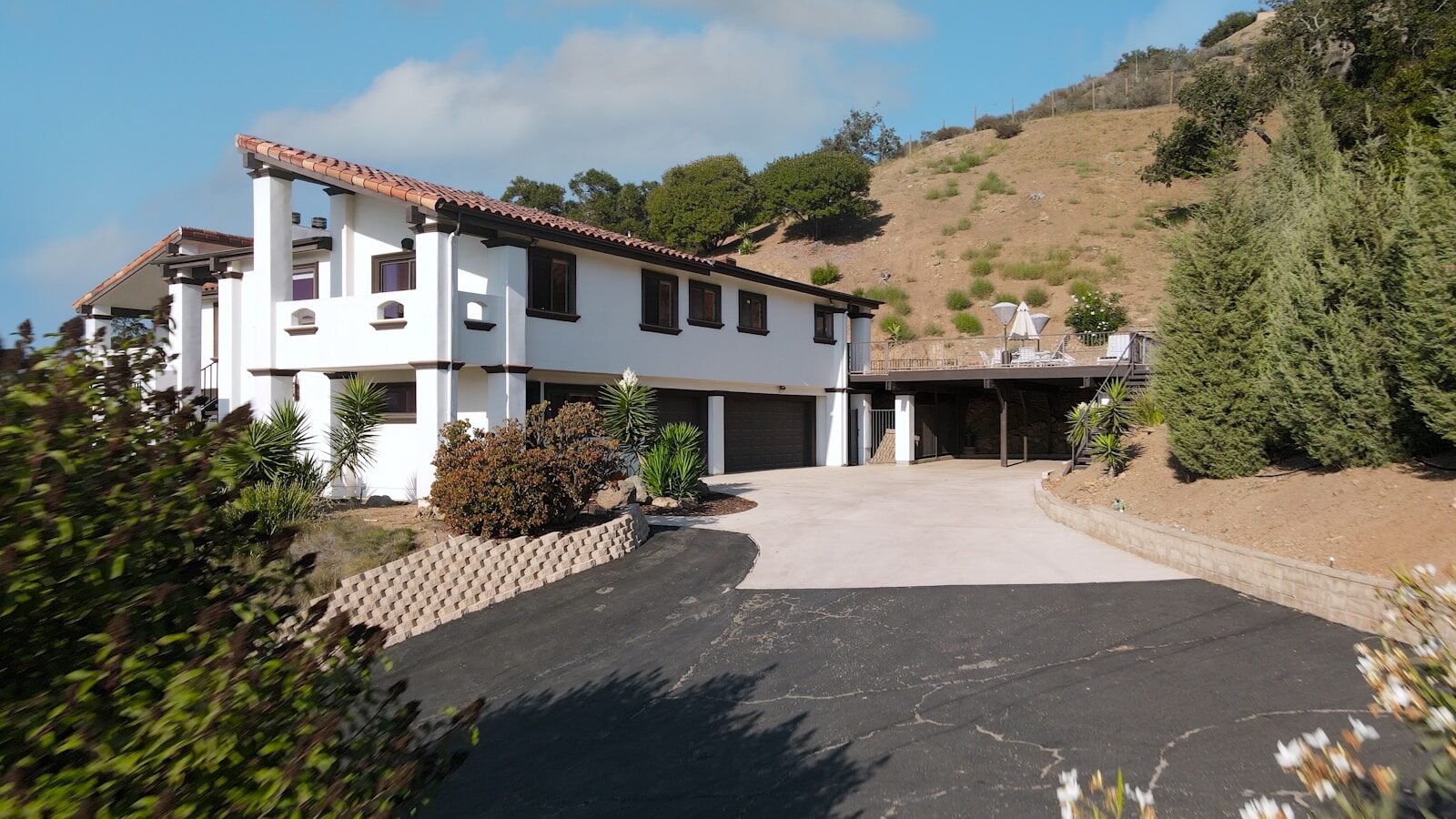
That sounds harmless until you think about where the extra inches go. Stack a new layer on a driveway that already sits level with the garage threshold and you've just built a ramp pointing water at the building. Do it in a parking lot and your curb reveal disappears, your drains sit proud of the surface, and water goes wherever it wants.
Not every job needs milling. Here's how we decide.
| Situation | Recommendation |
|---|---|
| Driveway already level with garage threshold | Mill — adding height sends water at the house |
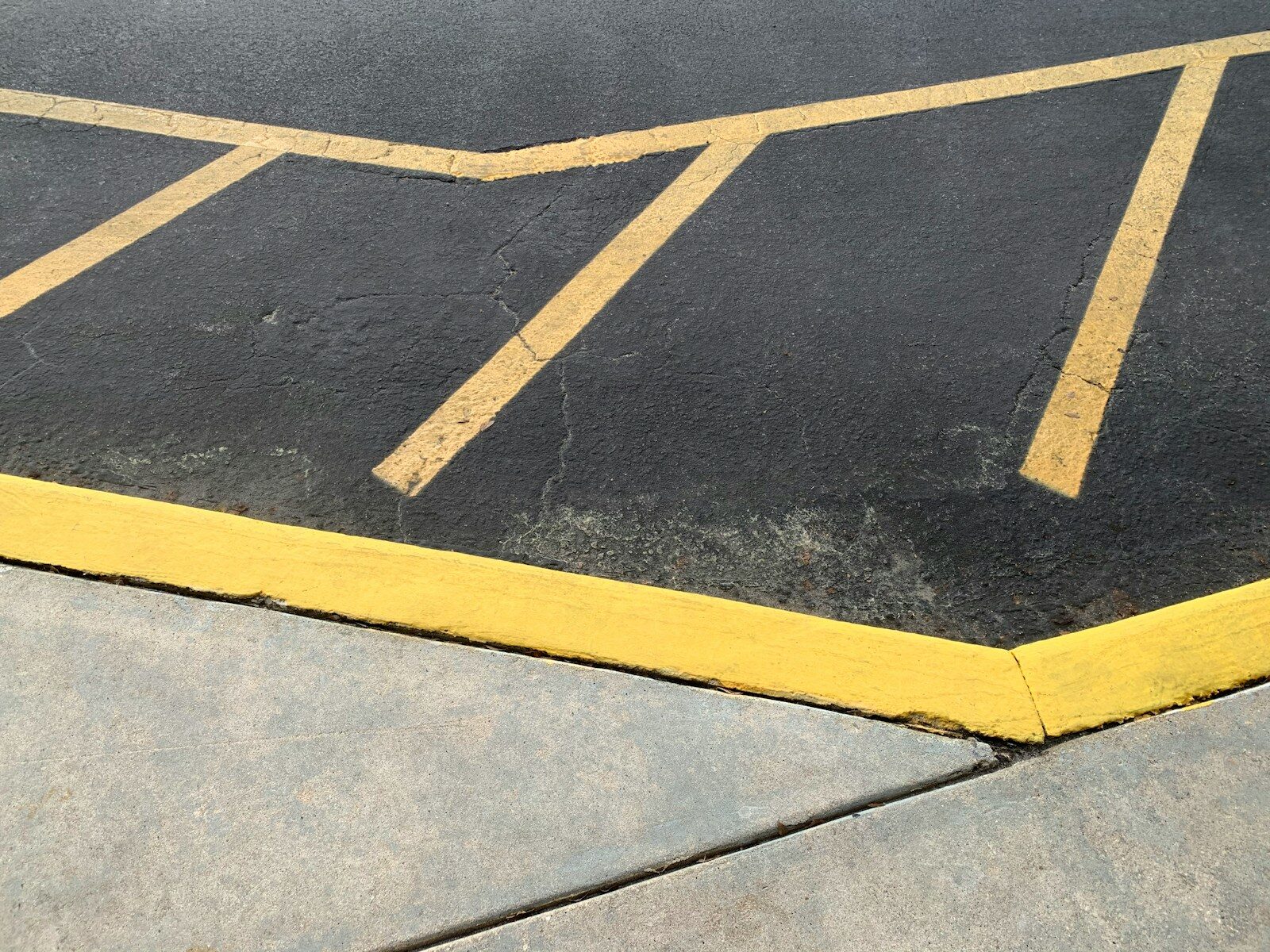
| Curb reveal already shallow in a lot | Mill — you'll lose the curb otherwise |
| Drain inlets flush with the surface | Mill — or the new surface sits above them |
| Old surface badly oxidized or delaminating | Mill — new asphalt won't bond to it |
| Lots of room to grade, sound surface | Overlay straight — milling is unnecessary cost |
| Localized failure only | Mill just that area, patch, then overlay |
Everything people ask before they call, in one place.
| Typical mill depth | Matched to the overlay thickness going back on |
| Surface produced | Textured profile — excellent bonding surface |
| Millings | Hauled off and recycled, or reused on site where suitable |
| Common uses | Driveways, parking lots, private roads, trench prep |
| Pairs with | Overlays, full replacements, edge and transition work |
| Millings as a surface | Available for driveways where a bound surface isn't required |
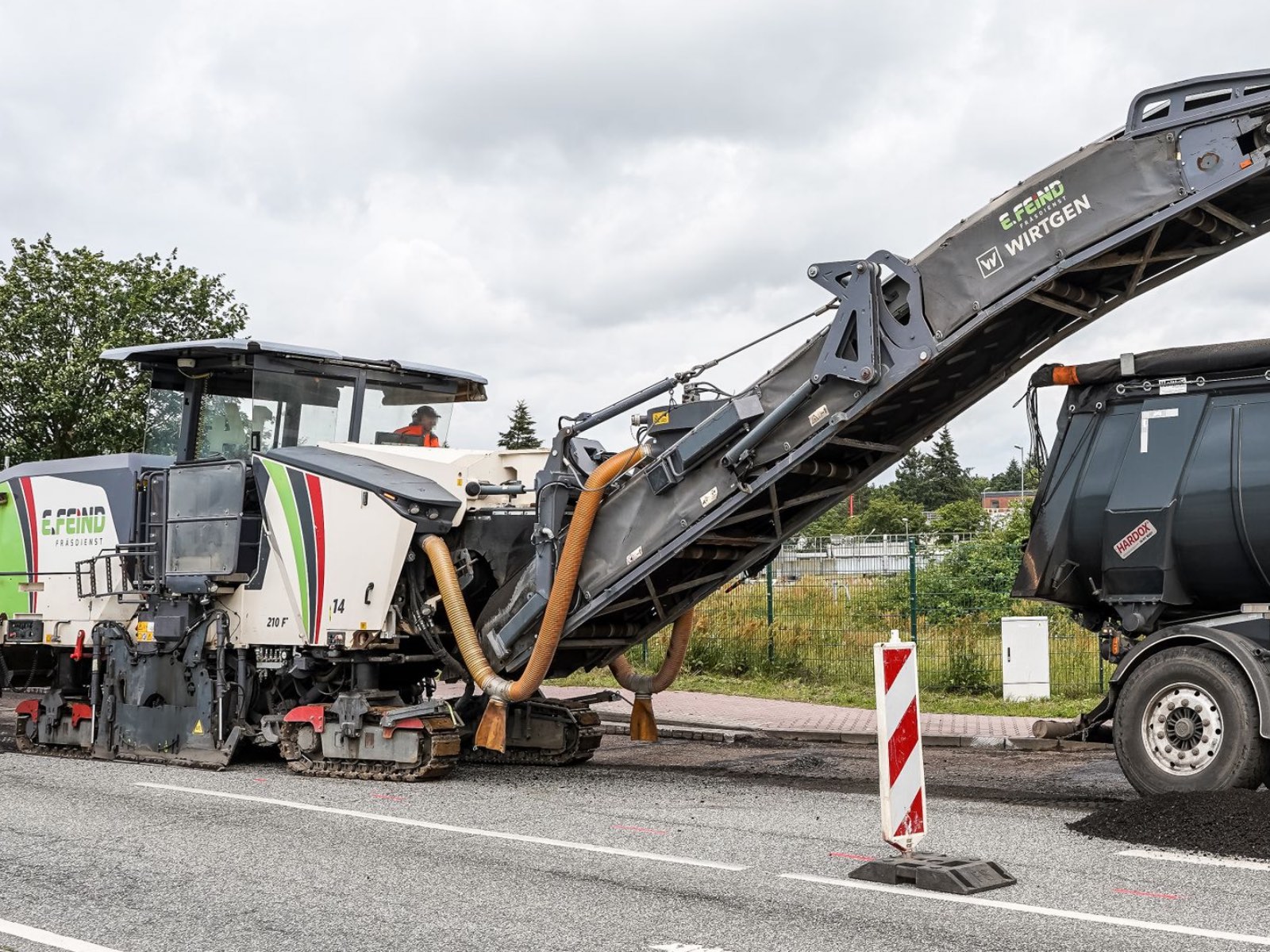
A milling machine (a cold planer) grinds off the top layer of existing asphalt to a controlled depth, leaving a clean, textured surface behind. The ground-up material — millings — gets collected and recycled.
It's how roads get resurfaced without gaining a few inches of elevation every cycle.
Sometimes you can, and we will. But every overlay raises the finished grade. If your driveway is already at the garage door, or your parking lot's curbs and drains are already close to flush, adding height creates a drainage problem that's much more expensive than the milling would have been.
Yes — a millings driveway is a real option, and a cost-effective one. Millings are spread to roughly 3–4 inches over a prepared, compacted base and rolled. They knit together over time as traffic and sun work the residual binder.
It won't look or perform like hot mix, and it isn't right for every property, but for long rural driveways it can make a lot of sense. We'll be straight with you about the tradeoffs.
It's a heavy machine, so yes, it's loud while it's running — but it's fast. Milling a residential driveway is typically a matter of hours. The millings are loaded straight into a truck as they're cut, so the site is left swept and clean rather than covered in debris.
Give us the basics and we'll call to set up a time. The estimate is free, it's done in person, and you'll leave knowing exactly what your options cost.
Spring and summer slots go fast in Ocean and Monmouth County. Get your free on-site estimate on the books before the calendar fills up.