Home › Sealcoating
Ocean & Monmouth County, NJ
Sealcoating& Crack Filling
The cheapest work we do, and the thing that decides whether your next call to us is routine maintenance or a full repaving job years earlier than it needed to be.
The cheapest work we do, and the thing that decides whether your next call to us is routine maintenance or a full repaving job years earlier than it needed to be.
Asphalt is stone held together by binder. UV light, water, road salt, gasoline and oil all attack that binder. Once it breaks down, the surface goes gray and porous, water gets into the base, freeze-thaw pries it apart, and you're into structural repairs. Sealcoating puts a sacrificial layer between all of that and your driveway.
This is the least glamorous service we offer and the one with the best return — as long as your driveway is still structurally sound. Here's what the two paths look like on a typical residential driveway.
| Path | What Happens To The Surface | Where It Leaves You |
|---|---|---|
| Sealcoat every 2–3 years | Surface stays black and sealed. Cracks get filled before water reaches the base. | You're buying maintenance, and the paving bill keeps getting pushed further out. |
| Never sealcoat | Binder oxidizes, cracks open, water gets into the base and freeze-thaw goes to work. | You're buying pavement instead of maintenance — and that's the expensive one. |
Sealcoating protects a sound driveway. Paving fixes a failed one. Getting that call wrong in either direction costs you — sealing over a dead base wastes the money, and repaving a driveway that only needed maintenance spends it years too early. Run the 30-second diagnostic for a starting read, then we'll confirm it on site for free.
Everything people ask before they call, in one place.
| What it protects | The binder holding your asphalt together |
| What it will not fix | Base failure, alligator cracking, drainage — those need paving |
| Frequency | Every 2 – 3 years |
| First seal on new asphalt | Wait 12 months |
| Surface temp needed | Above ~50°F and rising |
| Dry time before walking | 4 – 8 hours |
| Dry time before driving | 24 – 48 hours |
| Best season in NJ | Late spring through early fall |
Every 2 to 3 years for most driveways in Ocean and Monmouth County. Shore properties taking salt air and winter road salt sit at the shorter end of that window.
More often than that isn't better — layers build up, get brittle, and start peeling. Less often and UV has already begun breaking down the binder before you get to it.
Not right away. New asphalt needs 12 months to cure and release its oils. Sealing too early traps them and can leave you with a soft, scuffing surface.
Let it weather through the first season, then get on a schedule.
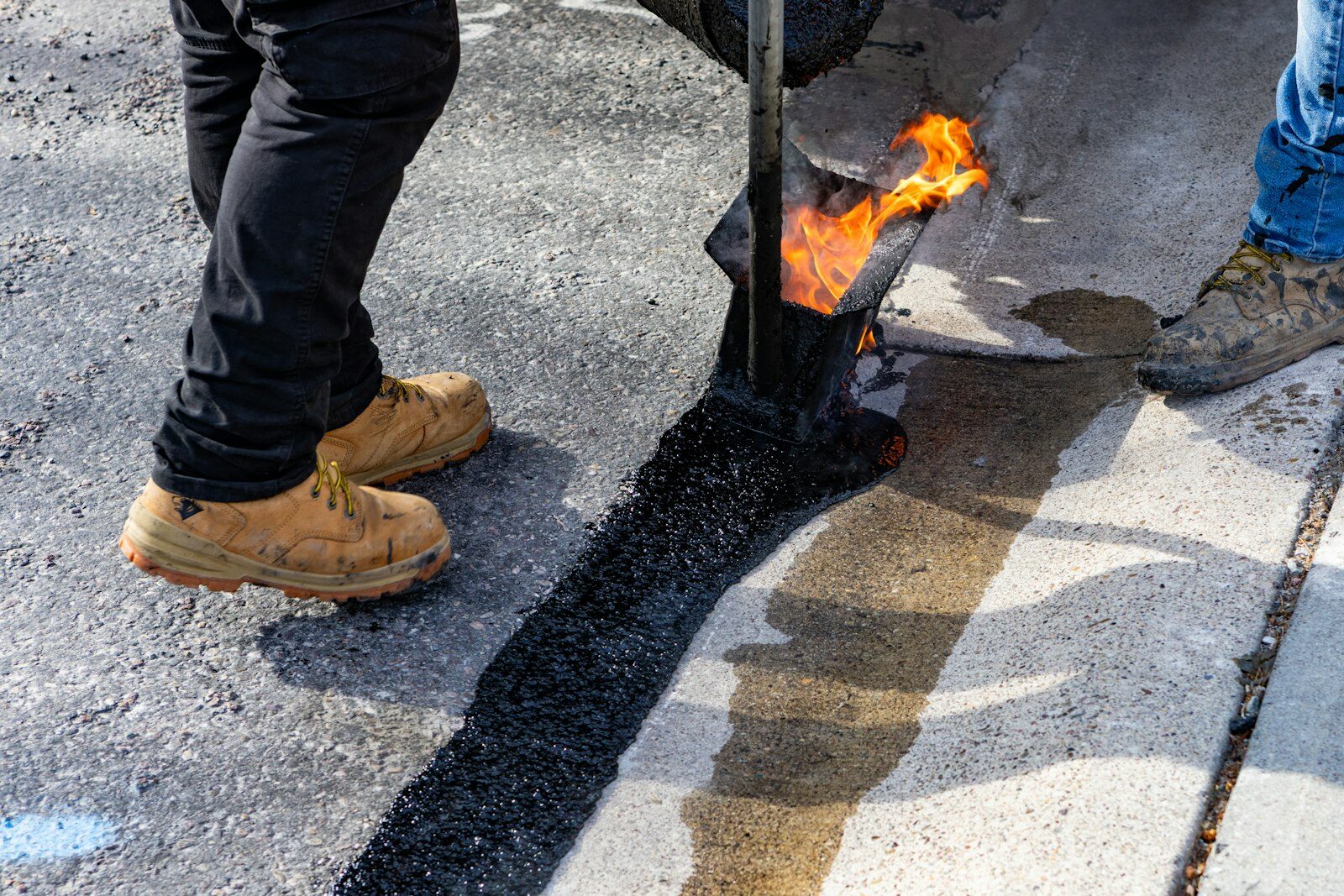
Always. Sealcoating over an open crack is cosmetic and pointless — water still gets straight into the base. Crack filling is the part that actually protects the driveway; the seal coat is what protects the crack fill and the surface around it.
Any quote you get that doesn't mention crack filling is worth a second look.
Walk on it after 4–8 hours. Drive on it after 24–48 hours depending on temperature and humidity. We'll tell you the specific window based on the day we do it, and we'll rope it off before we leave.
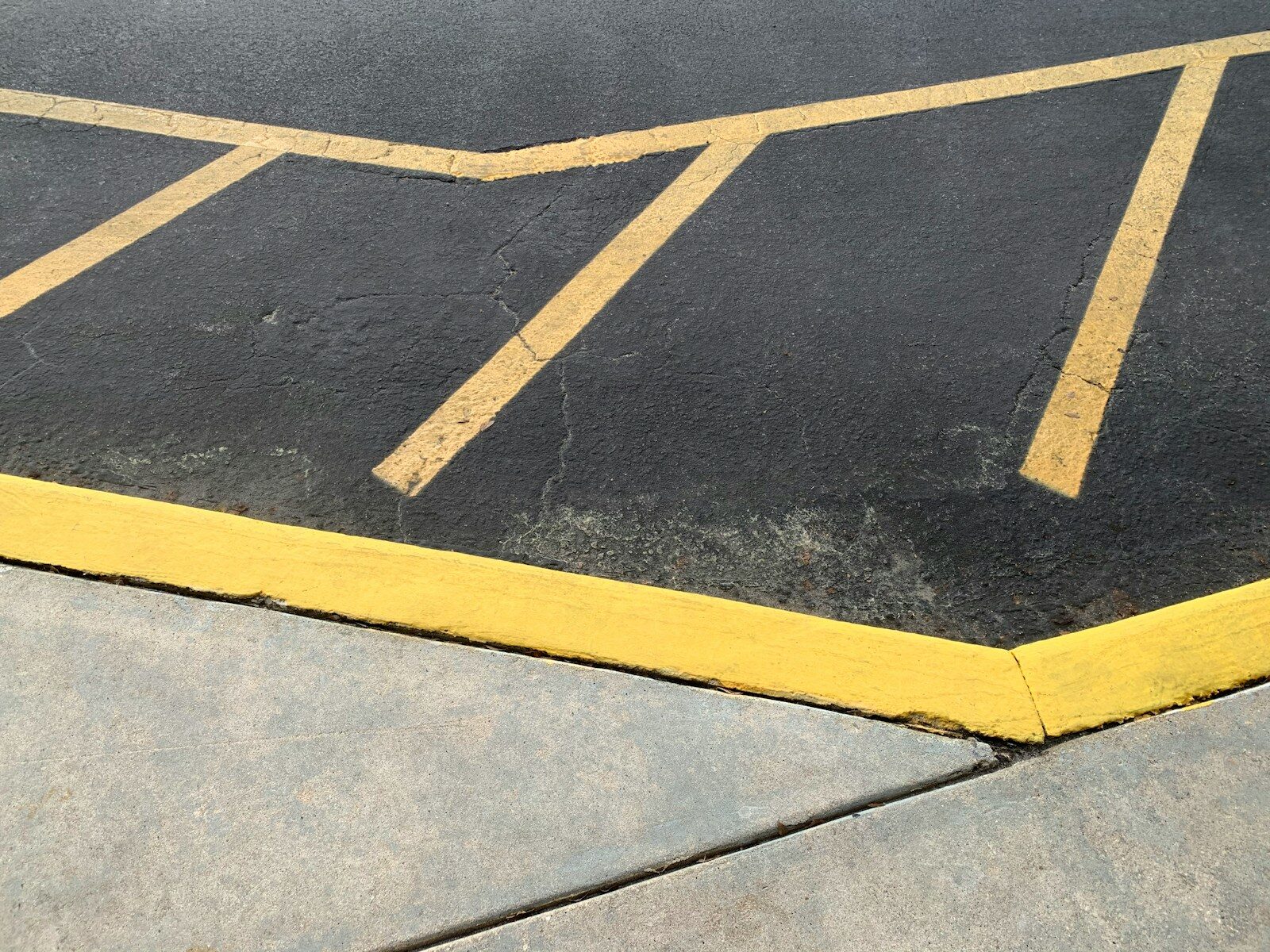
Yes, and we schedule around your hours — nights, weekends, or phased section by section so you never lose the whole lot. Line striping can be refreshed as part of the same visit. Commercial details here.
Sealcoating protects asphalt that is still structurally sound. It is not a repair. If your base has failed — alligator cracking across the surface, sections that keep sinking, water that never drains — then sealing it changes nothing and you need paving.
Premier Paving is a paving contractor first; sealcoating is the maintenance side of the same business. We'd rather keep you on a maintenance schedule for the long haul than sell you one job you didn't need. The diagnostic tool gives you a starting read in about thirty seconds.
Give us the basics and we'll call to set up a time. The estimate is free, it's done in person, and you'll leave knowing exactly what your options cost.
Spring and summer slots go fast in Ocean and Monmouth County. Get your free on-site estimate on the books before the calendar fills up.