Home › Patchwork & Repair
Ocean & Monmouth County, NJ
Patchwork& Repair
Potholes, sunken aprons, crumbling edges, utility trench cuts. Cut clean, tacked at the joints, compacted properly — patches that survive a New Jersey winter.
Potholes, sunken aprons, crumbling edges, utility trench cuts. Cut clean, tacked at the joints, compacted properly — patches that survive a New Jersey winter.
Somebody shovels cold mix into a hole, tamps it with the back of a shovel, and drives away. It looks fine for a month. Then water gets into the un-tacked joint, freezes, and pushes the whole thing out — usually bigger than the hole that was there before. A patch that holds is a small paving job, not a cosmetic fill.
Repairs are usually cheaper than people assume — and dramatically cheaper than waiting.
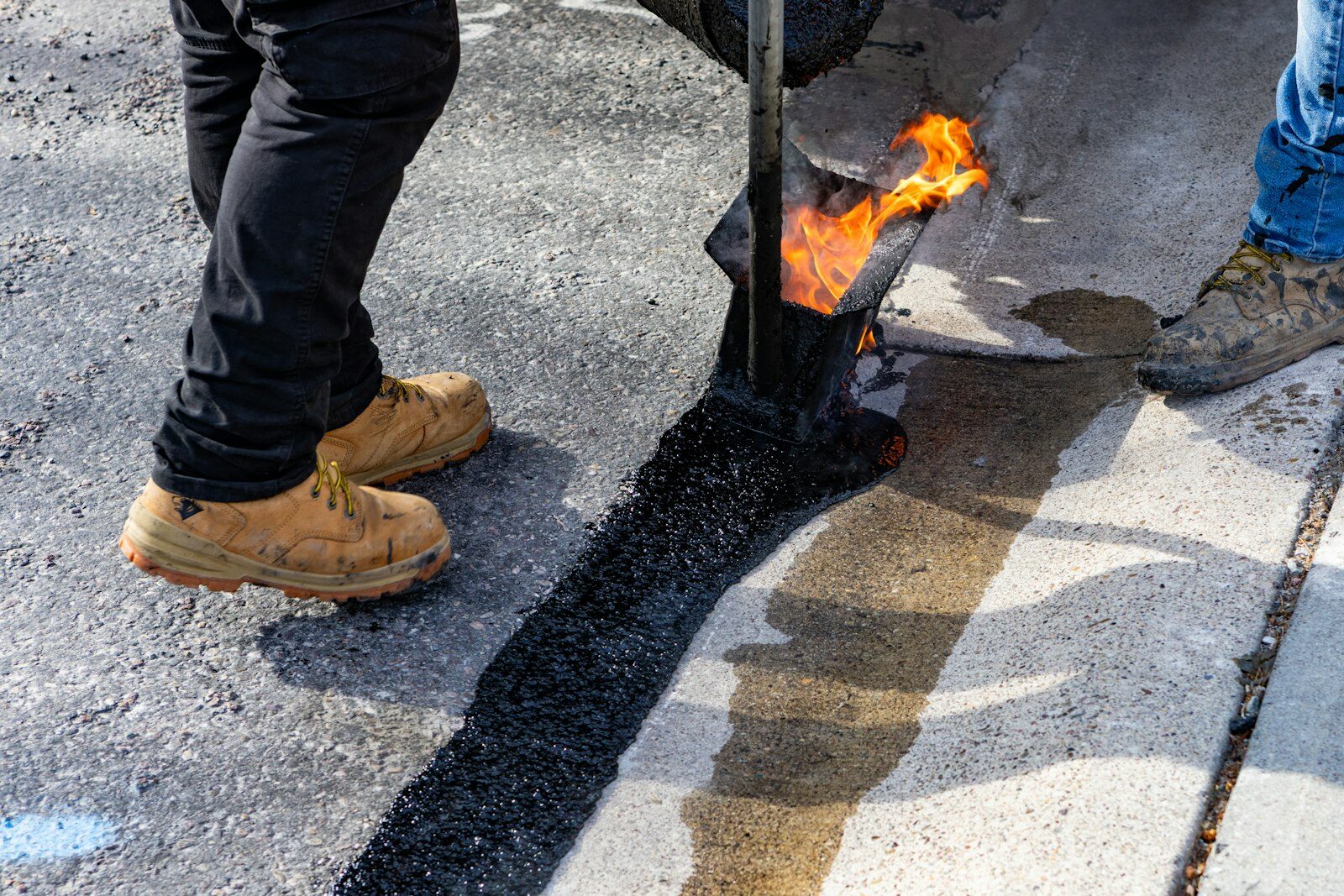
Cut square, dig out the failed material, rebuild the base if needed, tack, fill with hot mix and compact. A real repair, not a bucket of cold patch.
The most common driveway repair there is. We cut back to solid material, rebuild the edge with proper support, and — if it makes sense — set a block border so it doesn't happen again.
Usually a base or drainage problem rather than a surface problem. We find out which before quoting, so you're not paying twice.
Water line, gas line, electrical service — whoever dug it usually leaves a strip that settles. We rebuild it to full depth and tie it into the existing surface.
Isolated patches of alligatoring mean the base failed in that spot. We remove and rebuild that section rather than skimming over it — then it's ready for an overlay.
Hot-applied crack fill on anything wide enough to take water. Cheapest work we do and the highest return per dollar, especially heading into winter.
Everything people ask before they call, in one place.
| Typical pothole repair | Priced per area — quoted on site |
| Edge rebuild | Often paired with a block border |
| Trench / utility cut | Rebuilt to full depth and tied in |
| Crack filling | Hot-applied, on anything taking water |
| Method | Saw-cut, remove, tack, hot mix, compact, seal seam |
| Best timing | Before winter — freeze-thaw is what turns small into big |
If the damage is localized and the rest of the driveway is sound, repair is far and away the better spend. If you're seeing alligator cracking across most of the surface, or areas that keep sinking no matter what gets put in them, the base has failed and repairs become a subscription.
We'll tell you which one you're looking at, and we'll tell you if the honest answer is the cheaper one.
Most residential repairs are a single visit, often a few hours. Larger commercial patching gets scheduled around your operating hours so you're not losing access during business.
Almost always one of three things: cold patch material instead of hot mix, no tack coat on the joint, or the failed base was never removed. Any one of those and water gets in at the seam, freezes, and lifts the patch out.
Sometimes it's a fourth thing — the real problem was drainage, and the patch was never going to fix that.
New asphalt goes down noticeably darker and lightens over the first year as it weathers. It'll never be an invisible match on day one. If a uniform look matters to you, a sealcoat over the whole driveway a few months after the repair evens everything out.
Give us the basics and we'll call to set up a time. The estimate is free, it's done in person, and you'll leave knowing exactly what your options cost.
Spring and summer slots go fast in Ocean and Monmouth County. Get your free on-site estimate on the books before the calendar fills up.